I. Produktübersicht
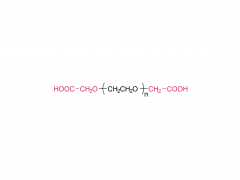
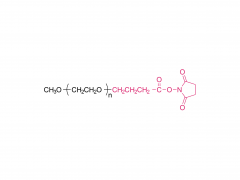
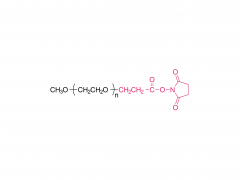
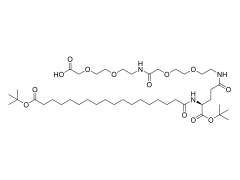
Diese Produktserie repräsentiert eine Klasse elegant gestalteter und funktional leistungsstarker Produkte.
heterobifunktionelle Vernetzer
Jedes Molekül besitzt an seinen beiden Enden eine Fmoc-Schutzgruppe (Fluorenylmethoxycarbonyl) und einen aktiven NHS-Ester (N-Hydroxysuccinimidester), die durch PEG-Spacer (Polyethylenglykol) unterschiedlicher Länge verbunden sind. Diese einzigartige Struktur macht sie zu unverzichtbaren Werkzeugen in Bereichen wie der chemischen Biologie, der Wirkstofffreisetzung, der Materialwissenschaft und der innovativen PROTAC-Technologie.
II. Strukturelle Merkmale
Doppelfunktionalität: Ermöglicht zwei aufeinanderfolgende, spezifische Reaktionen.
Ausgezeichnete Wasserlöslichkeit: Die PEG-Kette verbessert die Gesamtwasserlöslichkeit des Moleküls deutlich und erhöht so die Reaktionseffizienz.
Spaltbarer Linker: Die Fmoc-Gruppe kann unter milden basischen Bedingungen (z. B. Piperidin/DMF) schnell und vollständig entfernt werden, wodurch eine freie Aminogruppe für die kontrollierte Abspaltung oder den Funktionswechsel freigelegt wird.
Hohe Flexibilität: Erhältlich in verschiedenen PEG-Kettenlängen zur Optimierung von sterischer Hinderung, Hydrophilie und Molekülgröße.
III. Wichtigste Anwendungsgebiete
Chemische Biologie & Proteinmodifikation
Protein-/Antikörpermarkierung und PEGylierung: Einführung von PEG-Ketten und potenziellen nachfolgenden funktionellen Gruppen auf Proteine über den NHS-Ester zur Verbesserung der Pharmakokinetik, Erhöhung der Stabilität oder Einführung von Reaktionsstellen.
Peptidsynthese und -modifizierung: Wird als deprotektierbare Verknüpfungseinheit oder zur Einführung funktioneller PEG-Spacer in der Festphasen- oder Lösungsphasen-Peptidsynthese verwendet.
Materialwissenschaft & Biokonjugation
Funktionalisierung von Materialoberflächen: Der NHS-Ester wird an aminmodifizierte Nanopartikel, Chips, Hydrogele usw. gekoppelt. Anschließend wird Fmoc entfernt, um freie Aminogruppen auf der Oberfläche zu erzeugen, mit denen Liganden, Medikamente oder Fluoreszenzfarbstoffe immobilisiert werden können.
Kontrollierte Assemblierungssysteme: Die Zwei-Schritt-Reaktionseigenschaft wird genutzt, um sequenziell assemblierte oder „entriegelbare“ supramolekulare Strukturen zu erzeugen.
Arzneimittelverabreichungssysteme
Prodrugs und Linker: Sie dienen als spaltbare Linker zur Konjugation von Wirkstoffmolekülen (über die exponierte Aminogruppe) an Zielstrukturen oder Träger (über den NHS-Ester). Die PEG-Kette verbessert die Wasserlöslichkeit, und die Abspaltung der Fmoc-Gruppe kann die Wirkstofffreisetzung oder -aktivierung auslösen.
IV. Anwendungen in der PROTAC-Technologie
PROTAC (Proteolysis‐Targeting Chimera) ist eine revolutionäre Technologie zur gezielten Proteindegradation. Fmoc‐PEGn‐NHS dient in diesem Bereich als spaltbarer, längenvariabler Linker.
„Click-Chemie“-Strategie: Diese Methode wird häufig zur Synthese von E3-Ligase-Liganden oder Zielprotein-Liganden mit einer Aminogruppe eingesetzt. Zunächst reagiert die Aminogruppe eines Liganden mit dem NHS-Ester von Fmoc-PEGn-NHS, wodurch ein stabiles, leicht zu reinigendes und lagerfähiges Fmoc-geschütztes PEGyliertes Liganden-Zwischenprodukt entsteht.
Modularer Aufbau: Bei Bedarf wird die Fmoc-Schutzgruppe abgespalten, wodurch ein PEGylierter Ligand mit einer freien Aminogruppe entsteht. Diese Aminogruppe kann dann bequem mit einem weiteren Ligandenmodul, das eine Carboxylgruppe (oder einen aktivierten Ester) enthält, kondensiert werden, um das vollständige PROTAC-Molekül effizient und modular aufzubauen.
Optimierung der Linkerlänge: Die PEG-Kettenlänge ist ein entscheidender Faktor für die Bildungseffizienz des ternären PROTAC-Komplexes (ereignisgesteuerte Pharmakodynamik) und die Zellpermeabilität. Die Fmoc-PEGn-NHS-Reihe ermöglicht ein systematisches Screening verschiedener PEG-Kettenlängen, um den optimalen Linker für die Induktion des Zielproteinabbaus zu identifizieren.
Verbesserte physikochemische Eigenschaften: Die Einführung der PEG-Kette verbessert die Wasserlöslichkeit und die arzneimittelähnlichen Eigenschaften von PROTAC-Molekülen, insbesondere bei stark hydrophoben Kombinationen.