In the field of biomedicine, the continuous evolution of drug delivery systems has always been a key driver for advancing therapeutic development. From“naked drugs”to the widespread adoption of PEGylation technology, every breakthrough in material innovation has contributed to improving drug performance and enhancing patient treatment experiences. In recent years, polysarcosine (pSar) has gradually moved from laboratory research toward industrial applications as an emerging biomaterial, providing a new technological pathway for next-generation drug delivery systems.
PEG: A Well-Established Platform for Drug Delivery
To understand the industrial potential of polysarcosine, it is essential to first recognize polyethylene glycol (PEG), a material platform that has played a significant role in advancing drug delivery technologies.
PEG is a water-soluble polymer synthesized through the polymerization of ethylene oxide. Due to its excellent hydrophilicity and biocompatibility, PEGylation has become a well-established modification strategy for proteins, peptides, and nanomedicines. According to Biopharma PEG, more than 40 PEGylated drugs had been approved by the U.S. FDA as of April 2025, demonstrating the mature application status of PEGylation technology in pharmaceutical development.
The core value of PEGylation lies in covalently attaching PEG chains to the surface of drugs or nanocarriers to systematically improve drug-like properties. First, PEGylation can significantly extend drug circulation half-life by increasing apparent molecular weight and hydrodynamic volume, reducing rapid renal clearance and supporting long-acting dosing strategies. Second, PEG improves drug stability and solubility. Through steric effects, PEG can reduce enzymatic degradation and protein aggregation, while improving the aqueous solubility of hydrophobic drugs and optimizing the in vivo behavior of molecules such as antibody-drug conjugates (ADCs). Third, PEG enables the construction of long-circulating nanocarriers by forming a hydrated layer on nanoparticle surfaces, reducing protein adsorption and immune recognition, thereby supporting the development of various marketed products, including liposomal anticancer drugs, siRNA therapeutics, and mRNA vaccines.
With mature manufacturing processes and well-established clinical value, PEG has profoundly influenced the development of modern pharmaceutical technologies over the past three decades.
Polysarcosine: An Endogenous-Inspired Alternative for Drug Delivery
Building upon the foundation established by PEG, polysarcosine represents a new material design concept based on its“polypeptide-like”and“endogenous-inspired”molecular characteristics.
Chemically, polysarcosine is poly(N-methyl glycine), belonging to the polypeptoid family. Its monomer, sarcosine, is a naturally occurring metabolite in the human body. Unlike PEG, which contains an ether-linked backbone, polysarcosine consists of an amide-linked backbone, combining the stability and processability of synthetic polymers with the potential biocompatibility derived from its endogenous monomer structure.
Lower Immunogenicity Potential for Long-Term Therapeutic Applications
Regarding immune response, polysarcosine demonstrates differentiated advantages. The methyl substitution on the amide nitrogen eliminates hydrogen bond donors along the polymer backbone, which may reduce non-specific interactions between the polymer and biological molecules such as proteins, thereby decreasing the likelihood of immune recognition.
A head-to-head study published in Bioconjugate Chemistry in 2026 reported that high molecular weight polysarcosine conjugated with model proteins showed superior modulation of immune responses against both the protein component and the polymer compared with PEG. This characteristic suggests that polysarcosine-based modification systems may help reduce the risk of enhanced immune responses during repeated long-term administration, providing a new material option for chronic diseases, oncology, and other therapeutic areas requiring prolonged treatment.
Potential Biodegradable Design for Long-Term Applications
As a polypeptoid material, polysarcosine possesses an amide backbone structurally similar to peptides, providing potential opportunities for biodegradation. However, current studies indicate that pure polysarcosine does not exhibit significant biodegradation under physiological conditions. Only after copolymerization with alanine residues has the resulting copolymer (PaS) demonstrated enzymatic degradation potential under specific in vitro conditions.
At present, the biodegradability of pSar remains an area of ongoing discussion, and further studies are required to clarify its in vivo degradation kinetics and long-term safety profile. This“life-inspired”molecular design concept provides a new direction for addressing potential concerns associated with long-term polymer application.
Addressing High DAR Challenges and Enabling Next-Generation ADCs
In the field of antibody-drug conjugates (ADCs), polysarcosine is emerging as a promising hydrophilic drug-linker strategy. In conventional ADC designs, increasing the drug-to-antibody ratio (DAR) often results in higher overall molecular hydrophobicity due to the introduction of hydrophobic payloads, leading to increased aggregation tendency and compromised pharmacokinetic properties.
Owing to its excellent hydrophilicity, polysarcosine can serve as a hydrophilic shielding component to improve the solubility, stability, and in vivo behavior of high-DAR ADCs.
Studies have demonstrated that polysarcosine-based drug-linker platforms can construct highly loaded ADCs while maintaining high DAR values and improving physicochemical properties. These ADCs have also shown favorable antitumor activity in animal models.
Among these studies, Viricel et al. developed a monodisperse polysarcosine-based highly loaded ADC platform (Monodisperse polysarcosine-based highly-loaded antibody-drug conjugates), validating the potential of pSar as a hydrophilic shielding structure in high-DAR ADC design. Conilh et al. further developed exatecan ADCs based on the PSARlink platform (Exatecan Antibody Drug Conjugates Based on a Hydrophilic Polysarcosine Drug-Linker Platform), demonstrating promising antitumor activity in HER2-positive tumor models and providing a new material strategy for next-generation high-DAR ADC development.
Replacing PEG Lipids and Expanding the Potential of LNP Delivery
In lipid nanoparticle (LNP)-based nucleic acid delivery systems, polysarcosine has also demonstrated considerable potential.
A study published in Bioactive Materials in 2024 systematically investigated the feasibility of replacing PEG lipids in FDA-approved LNP formulations with polysarcosine-based lipids. The results showed that complete replacement maintained or improved mRNA delivery performance, while achieving comparable in vivo safety profiles to conventional LNP systems. Meanwhile, higher target protein expression levels and reduced immune stimulation were observed, providing new material opportunities for future long-term and repeated administration of mRNA therapeutics.
Growing Industrial Interest: From Scientific Exploration Toward Application Development
In recent years, research interest in polysarcosine for drug delivery applications has continued to grow, with its value expanding from fundamental material studies toward multiple delivery platforms.
Researchers are actively exploring the potential of pSar in improving drug stability, reducing immune-related risks, and optimizing delivery performance across applications including protein modification, antibody-drug conjugates (ADC), and lipid nanoparticles (LNP).
Currently, polysarcosine has demonstrated application potential in areas such as highly loaded ADCs and mRNA delivery. With further improvements in material characterization, manufacturing processes, and in vivo safety evaluation, pSar may gradually transition from experimental research toward broader pharmaceutical development applications.
Conclusion
As a classic material platform in drug delivery, PEG has established the foundation for long-acting therapeutics and nanomedicine development and continues to play an important role in numerous approved drug products.
The emergence of polysarcosine represents a complementary technological exploration based on endogenous-inspired material design. Using a naturally occurring amino acid metabolite as its monomer and a polypeptide-like backbone structure, pSar demonstrates differentiated characteristics in areas including immune compatibility and potential biodegradability. It is gradually validating its value in advanced therapeutic fields such as ADCs and LNP-based delivery systems.
As an emerging biomaterial, polysarcosine still requires further validation through extensive research data, manufacturing optimization, and safety evaluation before broad clinical adoption. Nevertheless, this material innovation at the foundation of drug delivery is opening new possibilities for future targeted therapeutic strategies.
XIAMEN SINOPEG BIOTECH CO., LTD.: Polysarcosine Product Series
From laboratory exploration to industrial applications, reliable and consistent material supply is a critical factor.
XIAMEN SINOPEG BIOTECH CO., LTD. provides a comprehensive polysarcosine product portfolio ranging from monomers to functionalized derivatives, including:
Sarcosine monomer (Sar)
Linear polysarcosine (pSar) with defined degrees of polymerization (DP 25/50/100)
Terminal-functionalized polysarcosine derivatives, including propargylamine-pSar and azide-pSar (DP 20/50/100), supporting click chemistry-based conjugation
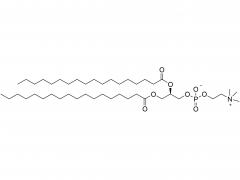
Lipid-functionalized derivative DOPE-pSar25, suitable for LNP and liposome delivery systems
These products can be applied in various fields, including protein/peptide modification, ADC linker development, and LNP-based drug delivery platforms. Customized synthesis services are also available to meet specific research and development requirements.
References:
1.Reichert C, Borchard G. Noncovalent PEGylation, An Innovative Subchapter in the Field of Protein Modification. J P
harm Sci. 2016 Feb;105(2):386-390. doi: 10.1002/jps.24692. Epub 2016 Jan 11. PMID: 26523632.
2.Veronese, F. M., & Mero, A. (2008). The impact of PEGylation on biological therapies.BioDrugs. https://doi.org/10.2165/00063030-200822050-00004
3.Milla P, Dosio F, Cattel L. PEGylation of proteins and liposomes: a powerful and flexible strategy to improve the drug delivery. Curr Drug Metab. 2012 Jan;13(1):105-19. doi: 10.2174/138920012798356934. PMID: 21892917.
4.Fu Q, Kong X, Liu Y, Liu M, Huang K, Wang PG, Wu K. The role of hydrophilic linkers in next-generation antibody-drug conjugates. J Control Release. 2026 Mar 10;391:114612. doi: 10.1016/j.jconrel.2026.114612I. Epub 2026 Jan 6. PMID: 41506379.
5.Wang, H., Wang, Y., Yuan, C.et al.Polyethylene glycol (PEG)-associated immune responses triggered by clinically relevant lipid nanoparticles in rats.npj Vaccines 8, 169 (2023). https://doi.org/10.1038/s41541-023-00766-z
6.The benefits and risks of PEGylation in nanomedicine. Nat. Nanotechnol.20, 575 (2025). https://doi.org/10.1038/s41565-025-01951-y
7.Sara S. Nogueira,Anne Schlegel,Konrad Maxeiner,Benjamin Weber,Matthias Barz,Martin A.Schroer,Clement E. Blanchet,Dmitri I. Svergun,Srinivas Ramishetti,DanPeer,Peter Langguth,Ugur Sahin,Heinrich Haas; Polysarcosine-Functionalized Lipid Nanoparticles for Therapeutic mRNA Delivery.ACS Appl. Nano Mater.25 November 2020; 3 (11): 10634–10645.https://doi.org/10.1021/acsanm.0c01834
8.Tsuda, N., Okuno, Y., Yasuda, A., Ando, M., & Iwasaki, Y. (2026). Suppressive Immune Response of Poly(sarcosine) Conjugated Proteins: PSARylation.Bioconjugate Chemistry, Articles ASAP.
9.Maiti D, Yokoyama M, Shiraishi K. Impact of the Hydrophilicity of Poly(sarcosine) on Poly(ethylene glycol) (PEG) for the Suppression of Anti-PEG Antibody Binding. ACS Omega. 2024 Jul 12;9(32):34577-34588. doi: 10.1021/acsomega.4c02655
10.Son K, Ueda M, Taguchi K, Maruyama T, Takeoka S, Ito Y. Evasion of the accelerated blood clearance phenomenon by polysarcosine coating of liposomes. J Control Release. 2020 Jun 10;322:209-216. doi: 10.1016/j.jconrel.2020.03.022
11.Zhou P, Shen T, Chen W, Sun J, Ling J. Biodegradable Polysarcosine with Inserted Alanine Residues: Synthesis and Enzymolysis. Biomacromolecules. 2022 Apr 12;23(4):1757-1764. doi: 10.1021/acs.biomac.2c00001
12.Conilh L, Fournet G, Fourmaux E, Murcia A, Matera EL, Joseph B, Dumontet C, Viricel W. Exatecan Antibody Drug Conjugates Based on a Hydrophilic Polysarcosine Drug-Linker Platform. Pharmaceuticals (Basel). 2021 Mar 9;14(3):247. doi: 10.3390/ph14030247
13.Warren Viricel,Guy Fournet,Sabine Beaumel,Emeline Perrial,Sébastien Papot,Charles Dumontet,Benoît Joseph; Monodisperse polysarcosine-based highly-loaded antibody-drug conjugates.Chem. Sci.2019; 10 (14): 4048–4053.
14.Kang, D. D., Hou, X., Wang, L., Xue, Y., Li, H., Zhong, Y., Wang, S., Deng, B., McComb, D. W., & Dong, Y.(2024). Engineering LNPs with polysarcosine lipids for mRNA delivery.Bioactive Materials,37, 86-93.https://doi.org/10.1016/j.bioactmat.2024.03.017